The History of the Navy of the United States of America
1839
Ned Myers
1843
Lives of Distinguished American Naval Officers
1846
About James Fenimore Cooper
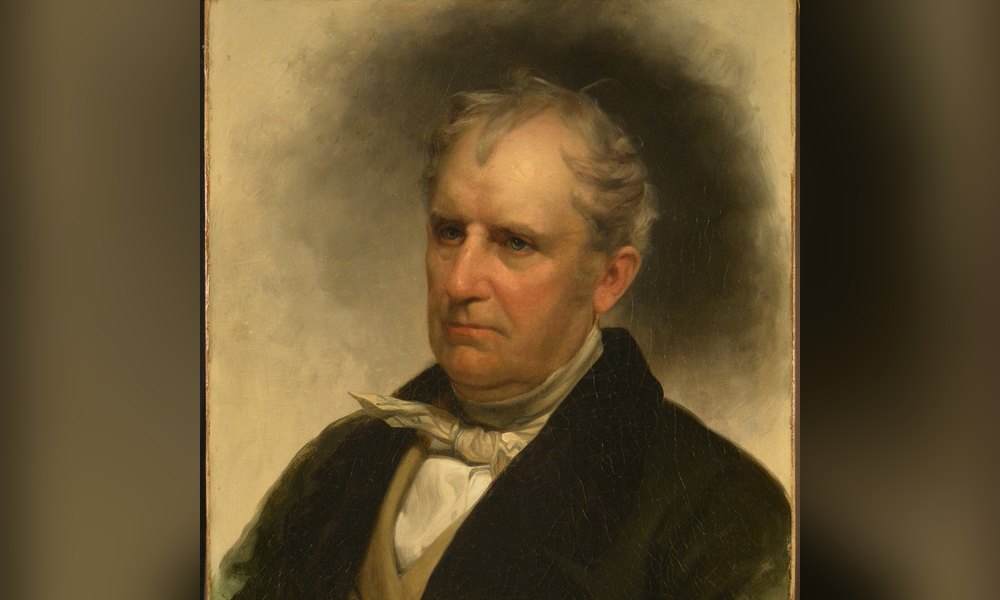
James Fenimore Cooper (born 15 September 1789, died 14 September 1851) was an American novelist whose historical romances of the frontier and the sea made him one of the most popular American authors of the 19th century. He is best known for the five Leatherstocking Tales, which feature the frontier scout Natty Bumppo and include “The Last of the Mohicans”.
Cooper was born in Burlington, New Jersey, the 11th of 12 children. Shortly after his first birthday the family moved to Cooperstown, New York, a settlement founded by his father, William Cooper. He entered Yale at 13 and was expelled in his third year after a prank that involved blowing up another student’s door. In 1806 he went to sea as a common sailor on the merchant ship Sterling, and in 1808 he joined the United States Navy as a midshipman. He married Susan Augusta de Lancey in 1811; their daughter Susan Fenimore Cooper also became a writer.
He turned to fiction in 1820, after reading a contemporary novel to his wife and deciding to try one himself. The result, “Precaution”, was set in England and published anonymously. “The Spy” (1821), a tale of espionage in the American Revolutionary War, became the first novel by an American to be a bestseller at home and abroad. “The Pioneers” (1823) opened the Leatherstocking series, which pairs Bumppo with the Delaware chief Chingachgook, and “The Last of the Mohicans” (1826) is set in 1757 during the French and Indian War. “The Pilot” (1824) is a sea tale of the American Revolution.
In 1826 Cooper moved his family to Europe, where he published “The Prairie”, “The Red Rover” and “The Water-Witch”. Three novels with European settings followed, “The Bravo”, “The Heidenmauer” and “The Headsman”, in which he attacked European antirepublicanism. He returned to the United States in 1833 and wrote a good deal of social criticism, travel writing and naval history alongside his fiction.
Half of his 32 novels were written in the 1840s. “The Pathfinder” (1840) and “The Deerslayer” (1841) completed the Natty Bumppo books, and the Littlepage Manuscripts trilogy dramatised disputes over land ownership in New York. His last novel, “The Ways of the Hour” (1850), is a courtroom mystery. Cooper spent his final 15 years in Cooperstown and died the day before his 62nd birthday.